
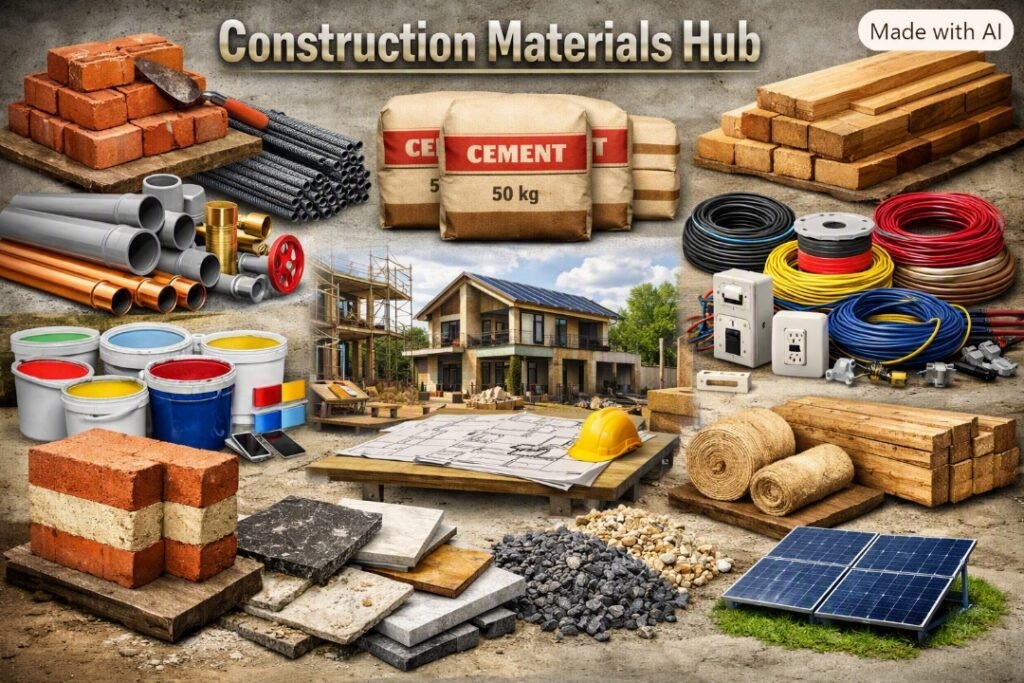
Modern residential construction focuses heavily on energy efficiency, reduced carbon footprints, and long-term structural durability. Utilizing the top sustainable building materials for modern residential homes in 2026 allows builders, architects, and homeowners to construct eco-friendly properties while lowering ongoing energy costs.
Why Sustainable Construction Materials Matter Today
Integrating green materials into modern home design offers clear environmental and financial advantages:
- Energy Savings: High-performance insulation and thermal mass reduce heating and cooling expenses.
- Durability & Strength: Recycled and engineered materials often outlast traditional lumber.
- Lower Environmental Impact: Reducing raw material extraction and minimizing landfill waste.
- Higher Property Value: Eco-conscious buyers actively seek homes built with sustainable standards.
1. Cross-Laminated Timber (CLT)
Cross-Laminated Timber provides exceptional structural stability while capturing atmospheric carbon. It serves as a sustainable alternative to traditional concrete and steel framing in modern home builds.
2. Recycled Steel and Composite Framing
Utilizing recycled steel offers durable, pest-resistant structural frameworks without requiring fresh timber harvesting. It ensures high wind resistance and structural longevity.
3. Bamboo and Engineered Biomaterials
Bamboo grows rapidly and achieves high tensile strength, making it an ideal renewable resource for interior flooring, cabinetry, and exterior structural elements.
Sustainable Building Materials Comparison
Here is a concise breakdown comparing modern sustainable construction options:
| Material Name | Primary Application | Key Sustainability Benefit | Durability Level |
|---|---|---|---|
| Cross-Laminated Timber | Structural Framing | Carbon Sequestration | High |
| Recycled Steel | Frame & Support | Reduces Mining Demand | Exceptional |
| Engineered Bamboo | Flooring & Trim | Rapidly Renewable Resource | High |
Frequently Asked Questions (FAQs)
Are green building materials more expensive than traditional options?
While initial upfront costs can be slightly higher, long-term savings on energy bills and maintenance make sustainable materials cost-effective overall.
Where can I read more guides across property, legal, and tech topics?
Visit our blog homepage to check our latest published articles across property, legal, and construction niches. For enterprise software and AI guides, visit AppSolveHub.
Final Thoughts
Choosing sustainable materials for residential construction creates healthier living environments and reduces long-term utility costs. Integrating eco-friendly materials helps builders meet modern architectural standards effectively.